Why Clearance Testing Is Non-Negotiable After Mold Removal in Schenectady
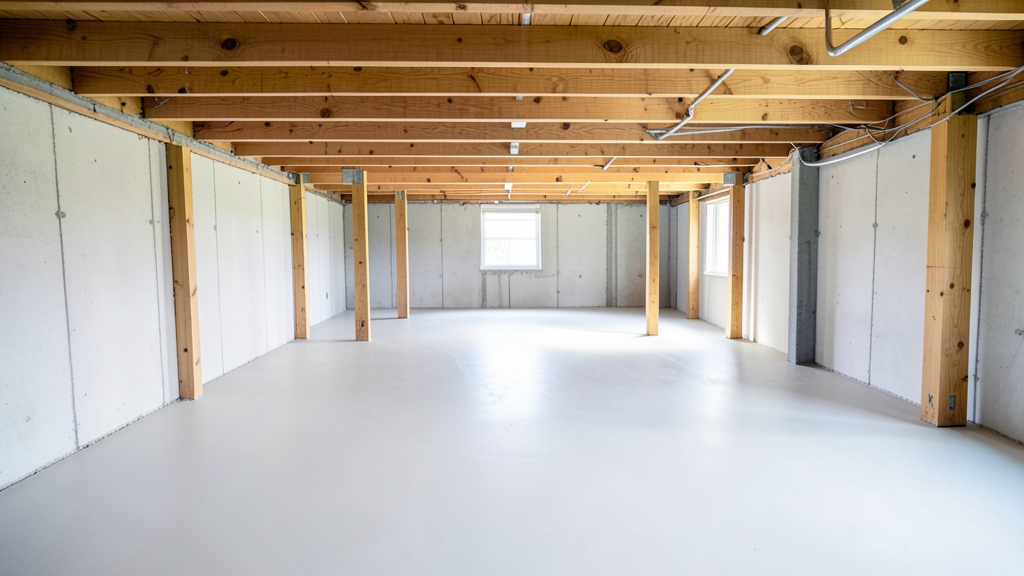
Mold removal isn’t complete until clearance testing confirms the job was done right. In our region’s humid summers and damp falls, hidden spores can linger, risking regrowth and health issues. We explain why post-remediation verification is the only way to guarantee a mold-free space in your home or business.
What Is Clearance Testing and Why Does It Matter?
Clearance testing, or post-remediation verification, is the final step in professional mold remediation. It involves air and surface sampling to confirm mold spores are reduced to safe, normal levels.
Without it, there’s no proof the remediation worked. In areas like Schenectady, where basements and crawl spaces trap moisture, this step prevents costly callbacks and health risks.
How Clearance Testing Works: The Science Behind the Process
Our team collects air and surface samples from the remediated area and compares them to a control sample from an unaffected space. Lab analysis measures spore counts and types.
Results are benchmarked against industry standards like the EPA’s guidelines or ACGIH’s threshold limits. This data-driven approach ensures objectivity.
DIY mold test kits lack the precision of professional-grade equipment. They often miss hidden spores or misidentify species, leading to false confidence.
Clearance Testing vs. Initial Mold Inspection: Key Differences
Initial mold inspections identify the problem—where mold is growing and why. Clearance testing, however, verifies the solution was effective after remediation.
| Purpose | When It’s Done | Tools Used |
|---|---|---|
| Identify mold presence, type, and extent | Before remediation begins | Moisture meters, thermal imaging, surface/air sampling |
| Verify mold removal success and safety | After remediation is complete | Spore traps, cassette sampling, lab analysis |
Common Mistakes That Make Clearance Testing Fail
Skipping containment during remediation allows spores to spread. We’ve seen this in Rotterdam and Niskayuna homes where DIY efforts worsened the problem.
Incomplete drying after water damage restoration is another culprit. Even in Colonie or Albany, lingering moisture invites mold back within days.
Using non-HEPA vacuums or improper cleaning methods can redistribute spores. Professional-grade equipment is non-negotiable for effective remediation.
Clearance testing too soon—before surfaces are fully dry—can yield false negatives. Wait at least 24–48 hours post-remediation for accurate results.
What Happens If You Skip Clearance Testing?
Without verification, you risk undetected mold regrowth. In attics or basements, this can go unnoticed until it causes structural damage or health symptoms like allergies or respiratory issues.
Real estate transactions in Scotia or Niskayuna often require clearance documentation. Skipping it can delay sales or lead to legal liabilities for sellers.
Who Should Perform Clearance Testing?
Ideally, a third-party industrial hygienist or certified mold inspector—*not* the remediation company—should conduct testing. This eliminates conflicts of interest.
For residential jobs, our team partners with independent labs to ensure unbiased results. Commercial projects in Albany or Colonie often mandate this separation for compliance.
Choosing a Clearance Testing Provider
- Certified by a recognized body (e.g., IICRC, ACAC, or NYS Department of Labor)
- Uses accredited labs for sample analysis
- Provides detailed reports with spore count comparisons
- Offers recommendations for any follow-up actions
How Long Does Clearance Testing Take?
On-site sampling takes 1–2 hours for a typical home. Lab analysis adds 24–48 hours, depending on the workload.
Commercial properties or large-scale remediation in Rotterdam or Schenectady may require more samples, extending the timeline slightly.
How to Prepare for Clearance Testing After Mold Remediation
Proper preparation ensures accurate results and avoids delays.
- 1Complete All Remediation Steps
Ensure all moldy materials are removed, surfaces are cleaned with antimicrobial solutions, and the area is fully dry. This includes attics, basements, or crawl spaces.
- 2Avoid Disturbing the Area
Keep HVAC systems off and minimize foot traffic in the remediated space for at least 24 hours before testing to prevent spore redistribution.
- 3Address Moisture Sources
Fix leaks, improve ventilation, or install dehumidifiers. Clearance testing won’t pass if moisture levels remain high, especially in humid Schenectady summers.
- 4Remove Contaminated Items
Discard porous materials like drywall or insulation that can’t be cleaned. Non-porous items should be HEPA-vacuumed and wiped down.
- 5Schedule the Test
Contact a certified tester and provide them with remediation documentation. They’ll need access to the affected area and a control space for comparison.
Frequently Asked Questions
Is clearance testing required by law in Schenectady?
New York State doesn’t mandate clearance testing for residential properties, but it’s often required for commercial projects, real estate transactions, or insurance claims. Even when not required, it’s the only way to confirm safety.
Can I do clearance testing myself?
DIY test kits are available, but they lack the precision and legal weight of professional testing. For peace of mind—especially in high-stakes scenarios like selling a home in Niskayuna—hire a certified expert.
What if clearance testing fails?
If results show elevated spore levels, our team will revisit the remediated area to identify missed contamination or moisture issues. Additional cleaning, drying, or removal may be needed before retesting.
How much does clearance testing cost?
Costs vary based on property size, number of samples, and lab fees. Factors include the complexity of the job (e.g., attic vs. basement mold) and whether rush analysis is requested. Request a free quote for an accurate estimate.
Does clearance testing cover all types of mold?
Yes, professional testing identifies and quantifies all mold species present, including common ones like Aspergillus, Penicillium, and Stachybotrys (black mold). This ensures no harmful spores are overlooked.
Is clearance testing different for commercial properties in Albany or Colonie?
Commercial testing often involves more samples and stricter standards due to larger spaces and higher occupancy. Local regulations or tenant health concerns may also require additional documentation.